The Penal Colony of Devil's Island: A Legal Case of Historical Injustice
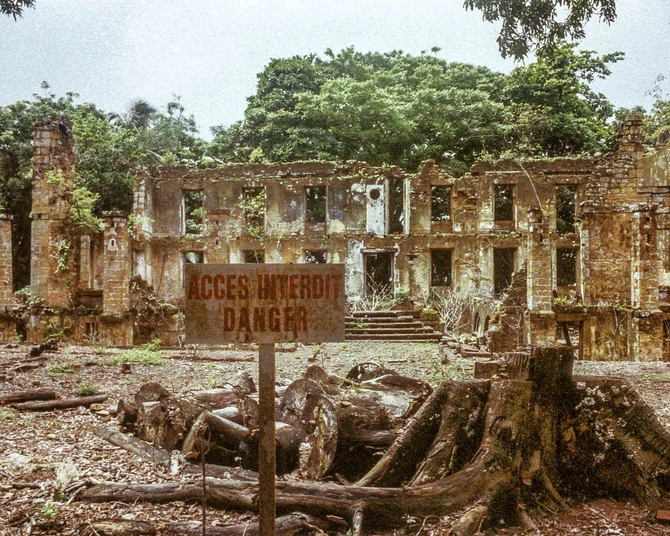
French Guiana was colonized by France from the 17th century onward, and over the course of this long period, serious human rights violations were committed. These abuses can be regarded both as colonial crimes and as grave violations of international law.
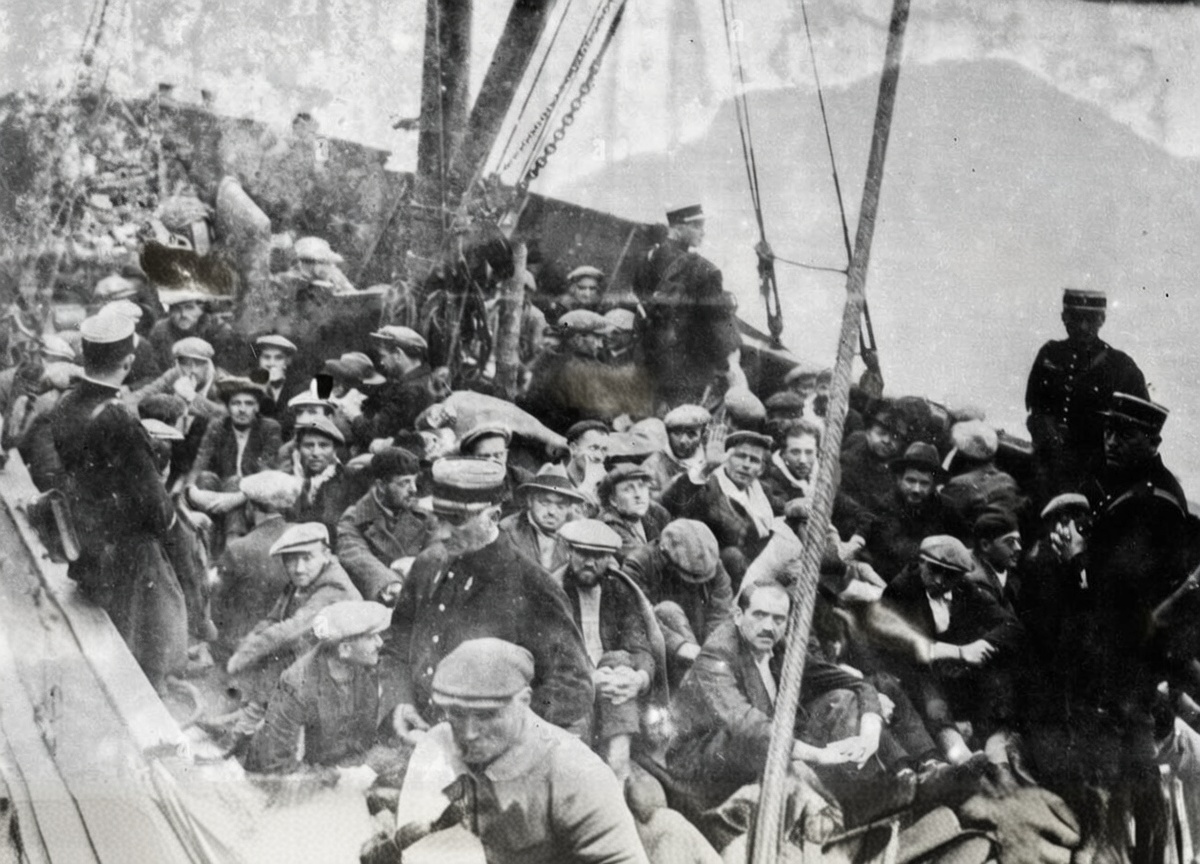
Located off the northern coast of French Guiana, Devil’s Island (Île du Diable) began to be used by the French Empire as a penal colony (bagne) starting in 1852. The purpose of this system was not solely to punish criminals; it was also designed to deport individuals deemed “undesirable” by French society and to provide a forced labor base for the colonial economy. France established this system partly to reduce prison overcrowding in the metropole and partly to strengthen its colonial presence in Guiana.
The penal colony consisted of three main islands: Île Royale, Île Saint-Joseph, and the most feared and brutal of all, Île du Diable (Devil’s Island).Forced physical labor, tropical diseases such as malaria and yellow fever, the absence of basic hygiene, and the lack of adequate medical care constantly placed human life at risk. Many prisoners lived for months in a state of illness and extreme weakness, and a large number of them died as a result of these conditions.
Île du Diable was used primarily for political prisoners. The most famous among them was Captain Alfred Dreyfus, who was falsely accused of treason on the basis of antisemitism and deported to the island in 1895. He spent five years in total isolation, confined to a damp cell, exposed to intense heat and humidity, and deprived of any human contact. This case later became known in France as the “Dreyfus Affair”, a landmark episode that marked a turning point in the French legal system and public debate on justice and the rule of law.
Devil’s Island is therefore not merely a geographical location, but a powerful symbol of colonial injustice and the systematic violation of human rights. What occurred there should be recognized under international law as part of the legacy of “historical injustice” and “colonial crimes”, underscoring the necessity of legal accountability and acknowledgment of responsibility.
Human Rights Violations on Devil’s Island – A Legal Assessment in the Context of the European Convention on Human Rights (ECHR) and International Criminal Law:
The European Convention on Human Rights (ECHR) and the absolute nature of Article 3:
One of the fundamental principles of modern international law is the inviolability of human dignity. This principle finds its practical expression in Article 3 of the European Convention on Human Rights (ECHR). According to this article:
“No one shall be subjected to torture or to inhuman or degrading treatment or punishment.”
This provision is recognized in international law as a “non-derogable right”, meaning a right that cannot be restricted under any circumstances. Neither war, public danger, nor a state of emergency can justify its violation. This demonstrates that any form of physical or psychological violence directed against human dignity is strictly prohibited and gives rise to legal responsibility.
In 1946, the penal colony on Devil’s Island was officially closed. However, the human and legal legacy left by this system continues to raise questions of historical justice and legal accountability for colonial-era practices. Amnesty International, Human Rights Watch, and other international organizations have called for such forms of systematic violence committed during the colonial period to be recognized as historical crimes and human rights violations. Nevertheless, to this day, the French state has not issued an official apology, provided compensation, or accepted legal responsibility for what occurred on Devil’s Island.
The Penal Colony of Devil's Island: A Legal Case of Historical Injustice
French Guiana was colonized by France from the 17th century onward, and over the course of this long period, serious human rights violations were committed. These abuses can be regarded both as coloni...
Read more