The Dimitile Maroons Museum: A Memorial to Freedom in the Mountains
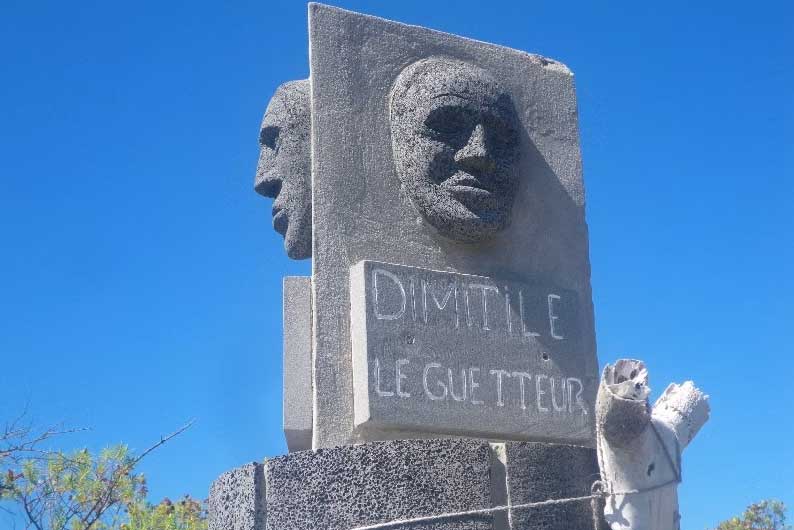
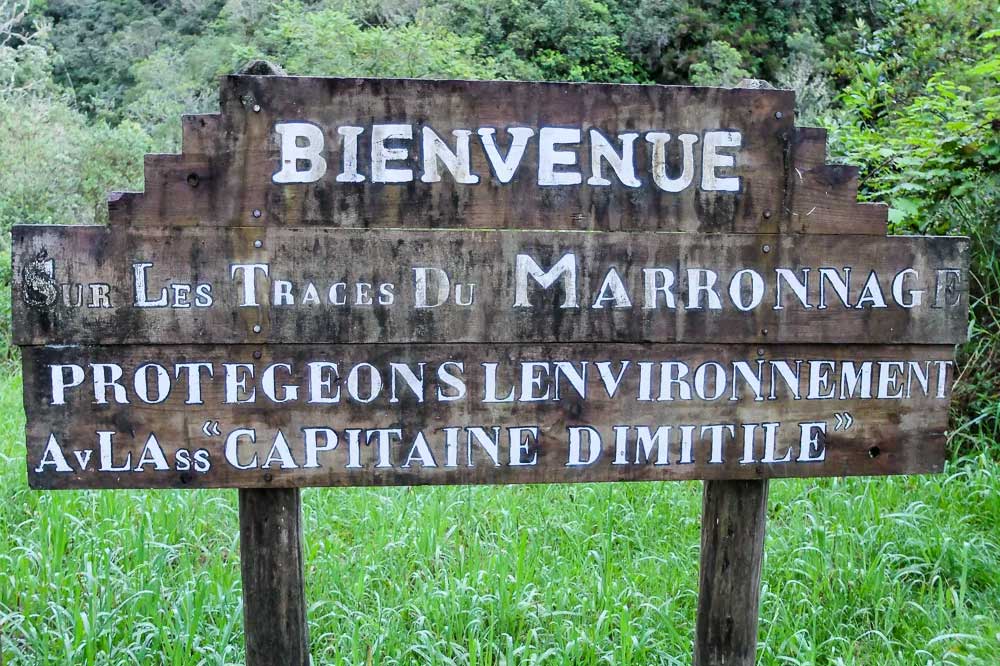
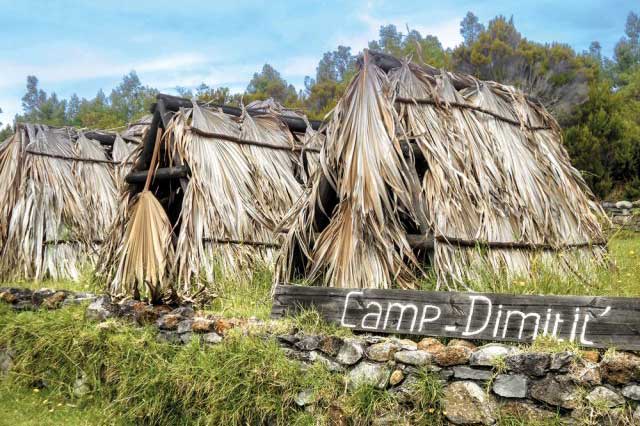
The Dimitile Maroons Museum (Musée du Marronnage de Dimitile), located on Réunion Island, is both a site of historical memory and a symbolic space of anti-colonial resistance. The museum is situated in the Dimitile mountain range, in the south-western part of the island, within the area known as Entre-Deux. This mountainous region was one of the principal refuges during the 18th and 19th centuries for marrons—enslaved people who escaped slavery—who sought shelter there and organized forms of resistance against the colonial system. Maroons (from the French marronnage) did not merely signify escape; it represented a form of active resistance to the colonial regime.
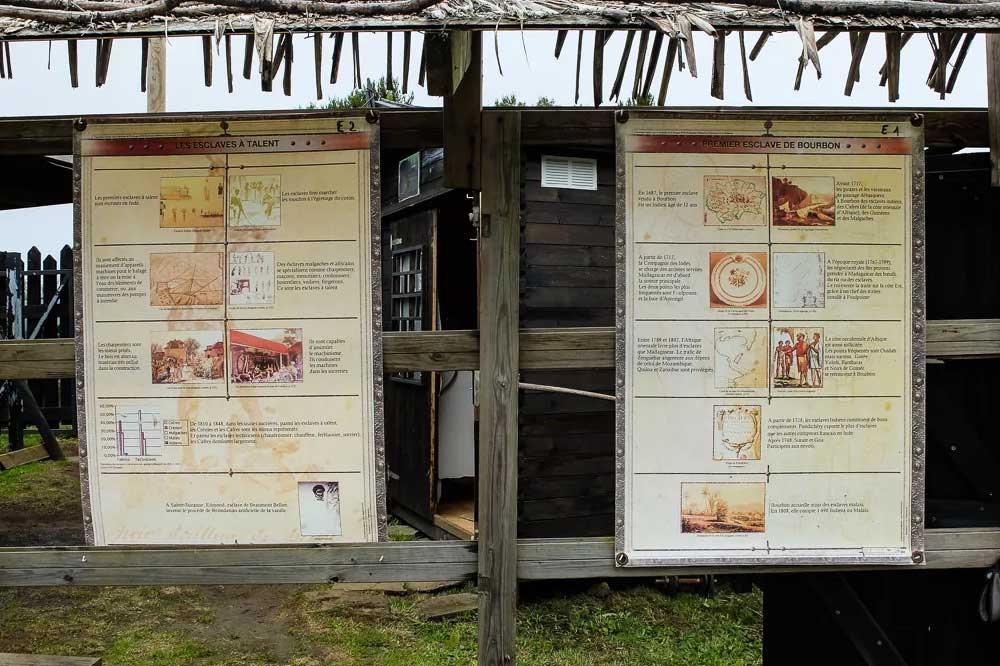
Réunion Island (formerly known as Île Bourbon), as part of the French colonial system from the mid-17th century onward, developed a plantation-based economy reliant on the forced labor of enslaved people brought from East Africa, Madagascar (Malagasy), India, and the Comoros. These populations were exploited for the cultivation of crops such as coffee, sugar cane, and vanilla, and were subjected to brutal physical labor, punishment, and cultural assimilation.
During the 18thand 19thcenturies, enslaved people constituted between 60% and 80% of the population of Réunion. Those who resisted this system and escaped into the mountains—particularly to areas such as Dimitile and Salazie—were known as marrons. Their objective was not only survival, but also the creation of free and autonomous communities.
Mount Dimitile held significant strategic importance. Its dense forests, rugged mountain passes, and persistent mist provided an ideal environment for concealment and defense. Escaped enslaved people established small communities there and, at times, engaged in armed confrontations with French colonial militias. The lives of the marrons represented both an escape from the violence of the colonial regime and a process of restoring culture, dignity, and humanity.
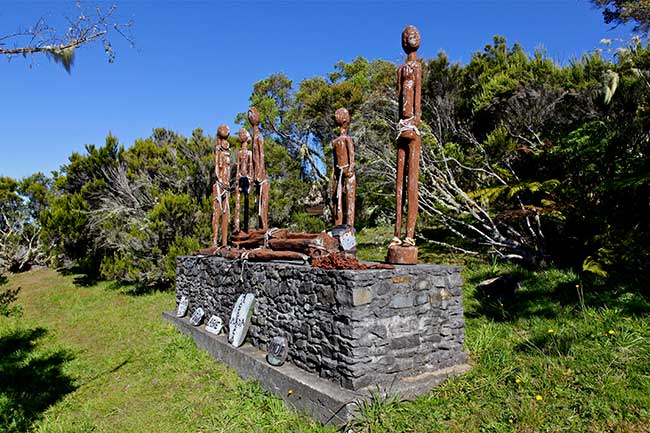
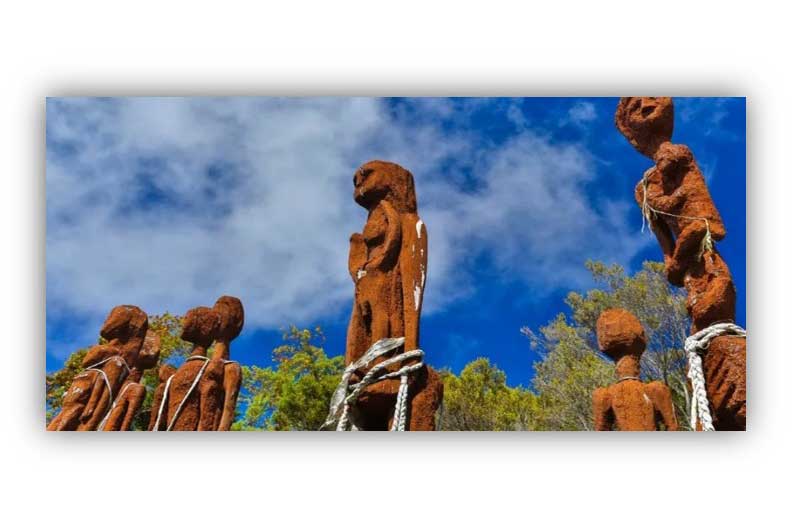
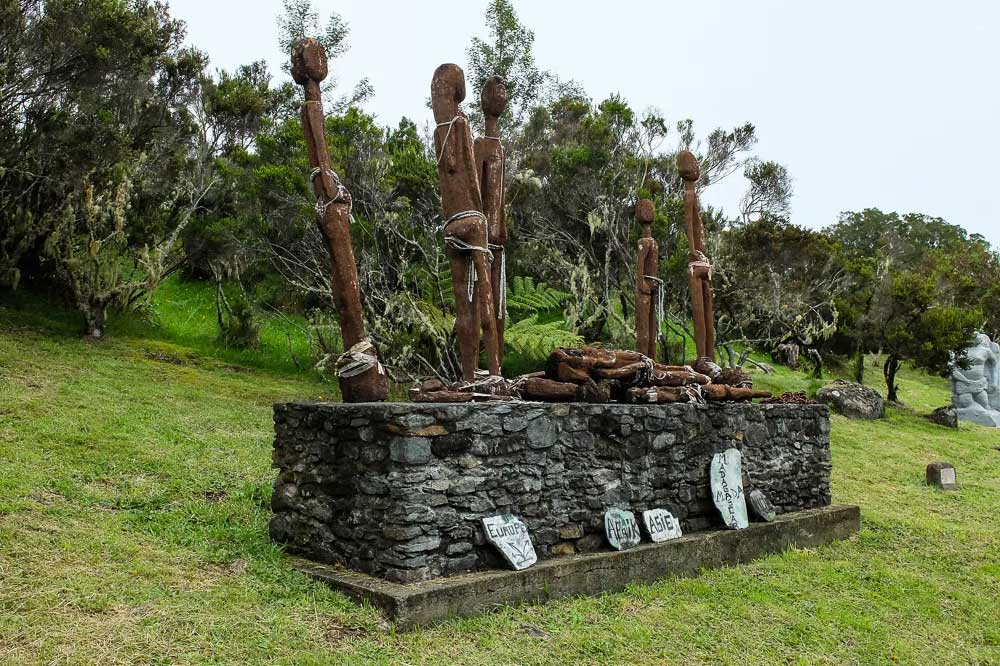
The purpose of the museum and the monuments and sculptures established in the area is to preserve this historical memory and to highlight resistance to the slave-based policies of French colonialism. The sculptures symbolize escaped enslaved people, their daily lives, their struggles, and their aspiration for freedom.
This site can also be understood as a transformation of the natural landscape into a living memorial. What was once a refuge for the persecuted has become a place of collective remembrance and respect, honoring the marrons who sought freedom there.
The Dimitile Maroons Museum is a site of memory that exposes the inhumane and racist foundations of the French colonial system. Although France abolished slavery during the Revolution in 1794, this decision was quickly reversed under Napoleon, and slavery persisted until it was finally and definitively abolished in 1848.
Maroons and the Dimitile region serve as crucial means of bringing to light these forgotten or silenced histories. Today, the museum functions both as a space for educating the public about anti-colonial resistance and as an example of France confronting its own colonial past.
The Dimitile Maroons Museum: A Memorial to Freedom in the Mountains
The Dimitile Maroons Museum (Musée du Marronnage de Dimitile), located on Réunion Island, is both a site of historical memory and a symbolic space of anti-colonial resistance. The museum is situated i...
Read moreThe 2017 General Strike: Guiana's Awakening Against Colonial Neglect
The “Pou Lagwiyann Dékolé” movement (“Let Guiana Take Off”) was a large-scale popular uprising that emerged in March–April 2017 in French Guiana, in response to deep-rooted social,...
Read moreJustin Catayée: The Martyr for Freedom of French Guiana
In French Guiana, one of the most prominent figures to oppose colonialism and social injustice, and who is regarded by the people as a national hero, is Justin Catayée. Born in 1916 in French Guiana,...
Read moreOperation Wuambushu: The Cruel "Cleansing" of Mayotte
In April 2023, the French government launched a security operation in Mayotte known as “Wuambushu.” The word Wuambushu comes from Swahili and means “to clean” or “to clea...
Read more