Colonial Gold: The Montagne d’Or Project and Lasting Exploitation in French Guiana
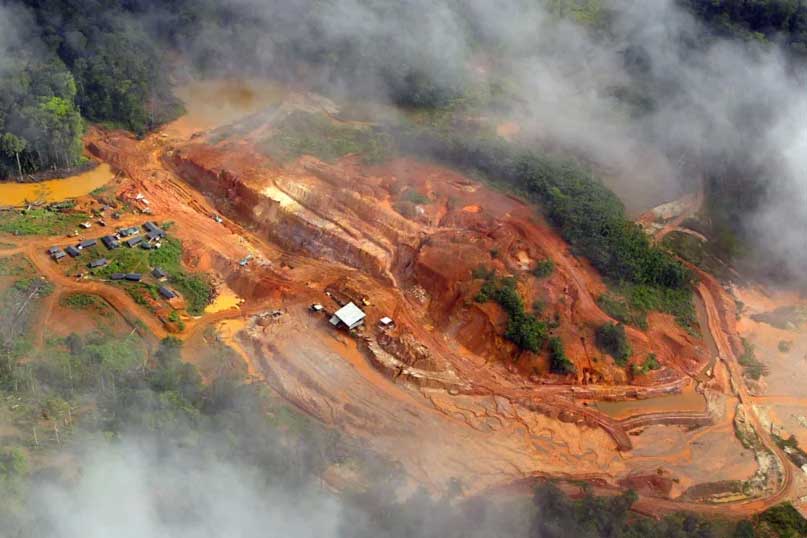
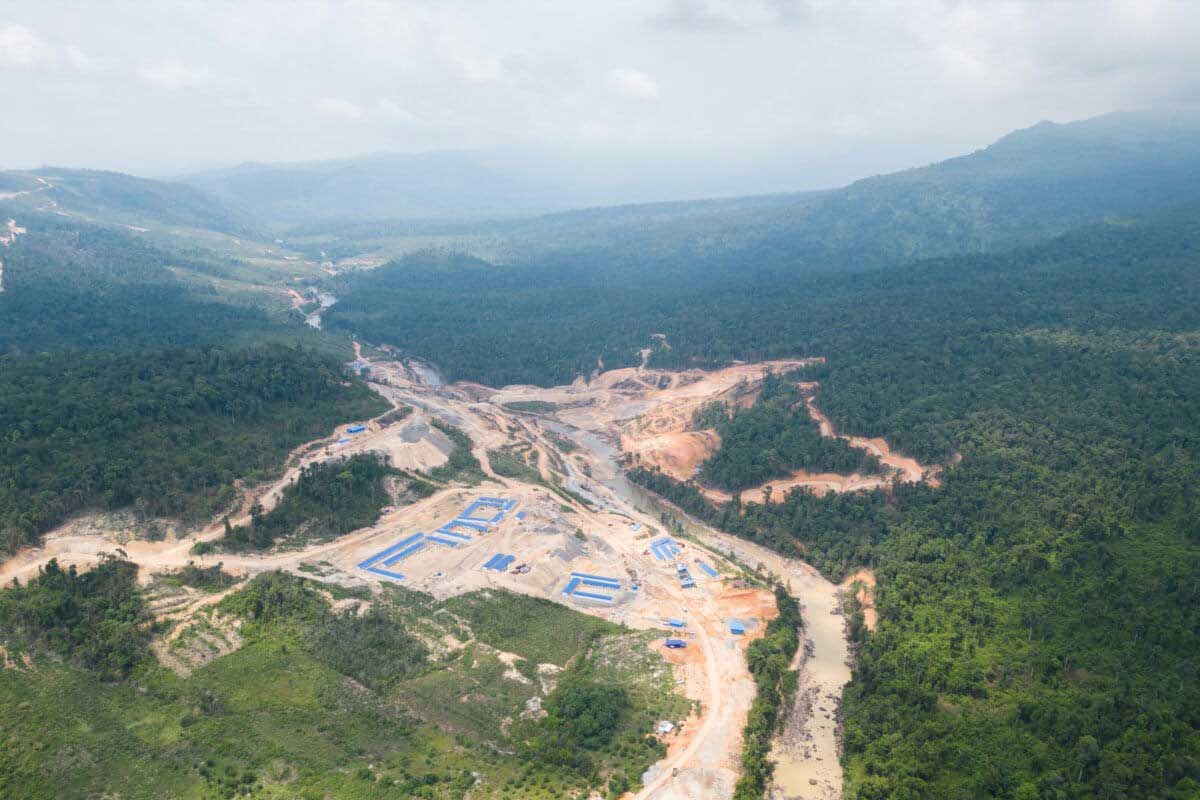
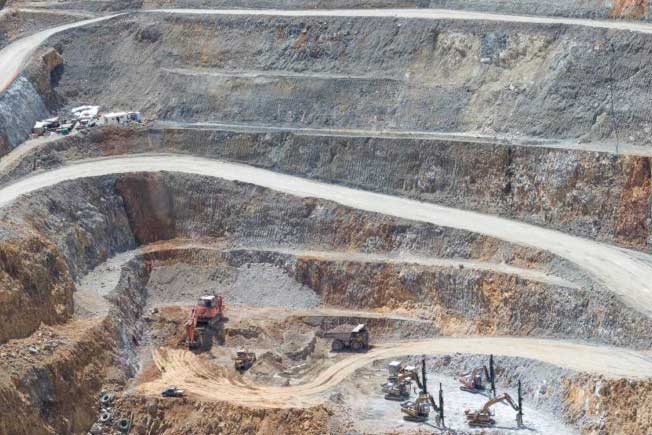
Group (AMG) is one of the leading French companies operating in the gold-mining sector in French Guiana. Sources such as the French Geological Survey (BRGM) and the journal Mining provide statistical data on gold production in Guiana as well as on planned mining projects. These large-scale gold-mining operations form part of the French government’s resource-extraction strategy.
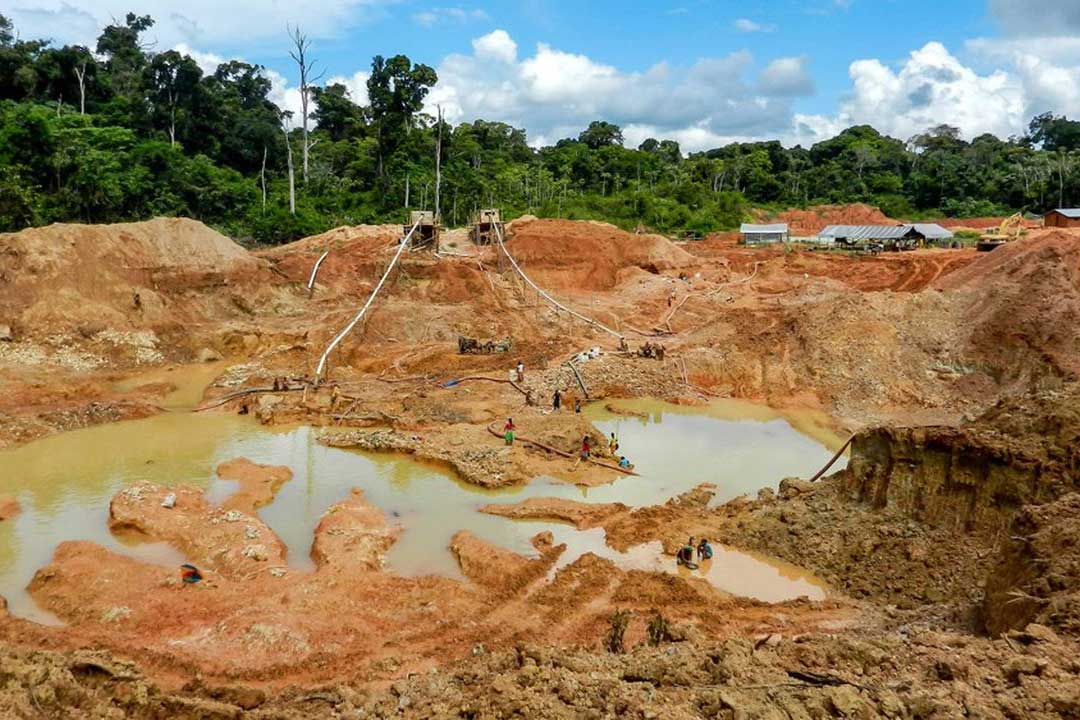
Workers employed in the mines were often low-paid laborers and former prisoners. Harsh physical labor, dangerous working conditions, and the absence of adequate medical care led to serious human suffering and, in many cases, tragic outcomes for those employed in the sector.
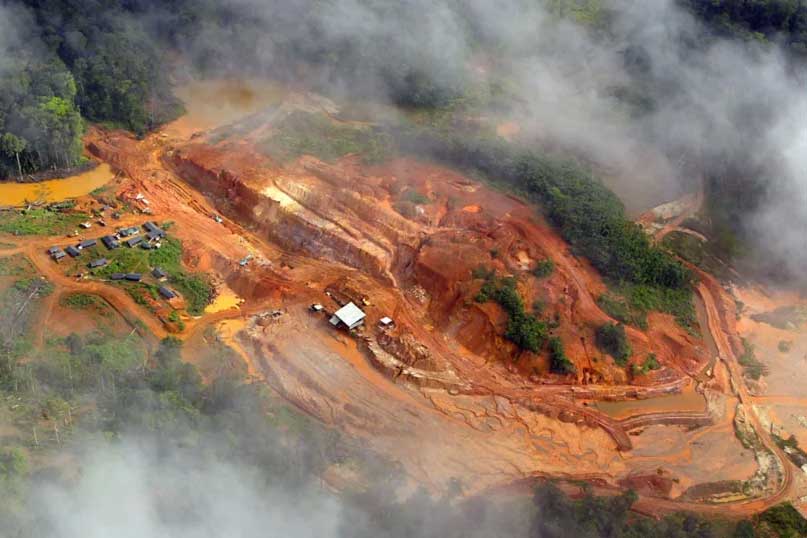
The Montagne d’Or project represents one of the largest and most controversial gold-mining projects in French Guiana. The project was jointly developed by Canada’s Columbus Gold and Russia’s Nordgold, and was intended as an open-pit gold mine in the Montagne d’Or (Saña Mountain) area, located in western French Guiana near the border with Suriname. The project envisaged the extraction of approximately 85 tons of gold, which would have made it one of the largest gold-mining operations in French history.
However, the project met with strong opposition from both local communities and the international public. One of the primary concerns was that the mining site lay within the Amazon rainforest, an area renowned for its exceptional biodiversity and fragile ecosystems, and home to Indigenous Amerindian peoples, particularly the Wayana and Teko communities. Environmental experts warned that the project would result in large-scale deforestation, soil and water pollution, and severe ecological damage due to the use of toxic chemicals such as cyanide.
Local communities emphasized that the project had been advanced without their free, prior, and informed consent, placing their land rights and traditional ways of life at serious risk. As a result, large protest campaigns were organized both within France and internationally. The project raised serious ecological, social, and economic concerns, prompting civil society organizations, human rights defenders, and environmental groups to demand its cancellation.
As a result of these protests, the project was suspended, though not fully abandoned, as some stakeholders expressed their intention to pursue it in a modified form.
The Montagne d’Or project clearly illustrates the tension between natural resource exploitation, environmental protection, and Indigenous rights in French Guiana. It has also become a symbolic case highlighting issues of neocolonial governance and environmental justice in France’s overseas territories.
1877: The Abolition of a Reserve and the Theft of Kanak Land
The land exploitation affecting the villages of Pierra and Mérézi constitutes a clear example of France’s colonial policy of land confiscation and dispossession in New Caledonia. This policy involved...
Read moreColonial Gold: The Montagne d’Or Project and Lasting Exploitation in French Guiana
Group (AMG) is one of the leading French companies operating in the gold-mining sector in French Guiana. Sources such as the French Geological Survey (BRGM) and the journal Mining provide statistical...
Read more