Penal Colonies: The Forced Labor Foundations of New Caledonia
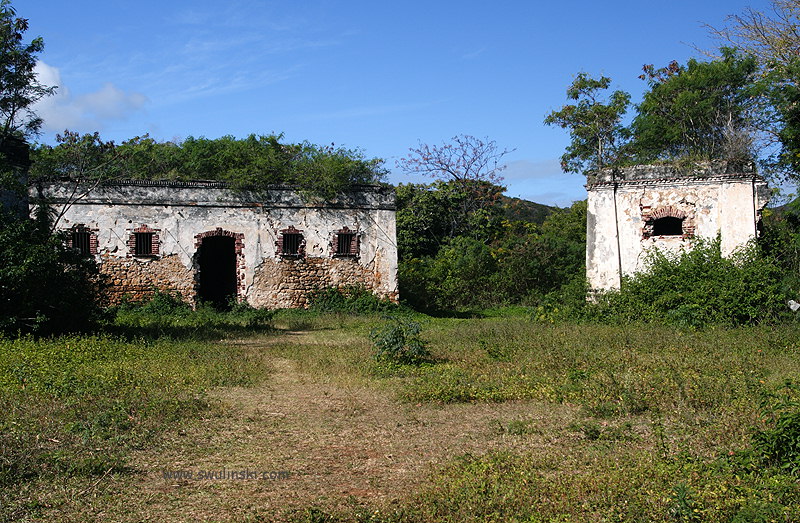
From the mid-nineteenth century onward, New Caledonia became for France not merely a remote island in the Pacific, but one of the central pillars of its imperial penal policy. Following the official annexation of the island by France in 1853, penal colonies—namely sites of exile and forced labor camps—were established.
Political opponents convicted in France, ordinary criminals, and individuals deemed “in need of re-education” were deported to New Caledonia. These individuals were typically exiled without the right to return to their homeland. Many were later released under the status of liberated, yet prohibited from leaving the island, a measure that led to forced permanent settlement and the artificial construction of colonial society.
The principal penal colonies were located in the Nouville area, particularly on Île Nou. In these zones, prisoners constructed administrative buildings, roads, port facilities, and other infrastructure, thereby laying the physical foundations of the colonial state through forced labor.
Following the Paris Commune uprising of 1871, hundreds of Communards—including notable women activists—were deported to New Caledonia. In addition to being punished, some of them established ideological and cultural connections with the indigenous Kanak population.
Penal colonies were not merely a system of punishment; they constituted one of the core instruments of colonial strategy. Through this system, France marginalized the indigenous population, confiscated land, and altered the demographic balance by settling European colonists. Many former prisoners became landowners after their release, while the Kanak people were dispossessed of their ancestral lands.
By the early twentieth century, the penal system began to decline and was officially abolished in 1931. However, its legacy—forced demographic transformation, cultural trauma, and social inequality—continues to be felt in New Caledonian society today.
The Pilou-Pilou: A Banned Dance of Memory and Resistance
Since 1853, when New Caledonia became a French colony, a systematic policy of assimilation was pursued against the culture of the indigenous Kanak people. As a result of France’s colonial policy, loca...
Read morePenal Colonies: The Forced Labor Foundations of New Caledonia
From the mid-nineteenth century onward, New Caledonia became for France not merely a remote island in the Pacific, but one of the central pillars of its imperial penal policy. Following the official a...
Read moreImposing Faith: The Catholic Campaign Against Indigenous Belief Systems
In French Guiana, indigenous tribes possessed well-established religious belief systems prior to French colonial rule. These belief systems were primarily based on animism and shamanism. Rituals and c...
Read more