Operation Wuambushu: The Cruel "Cleansing" of Mayotte
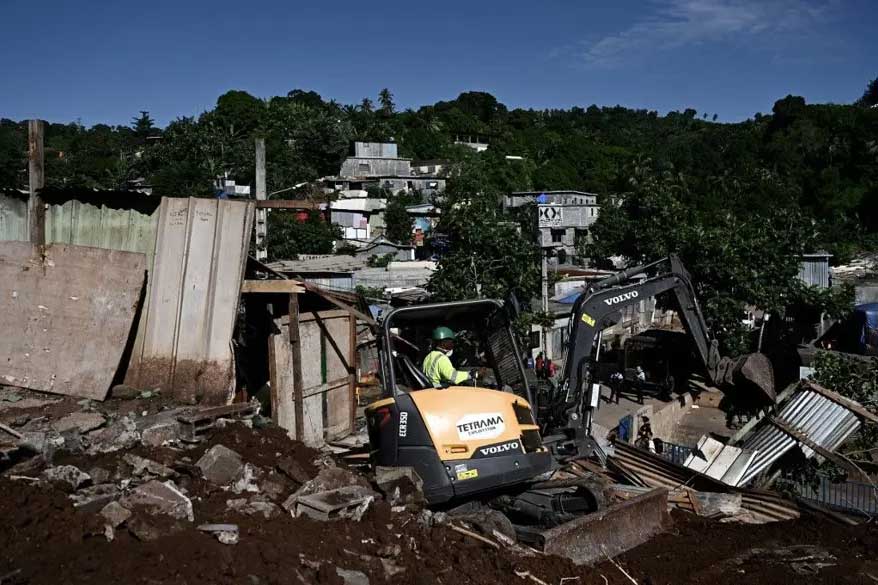
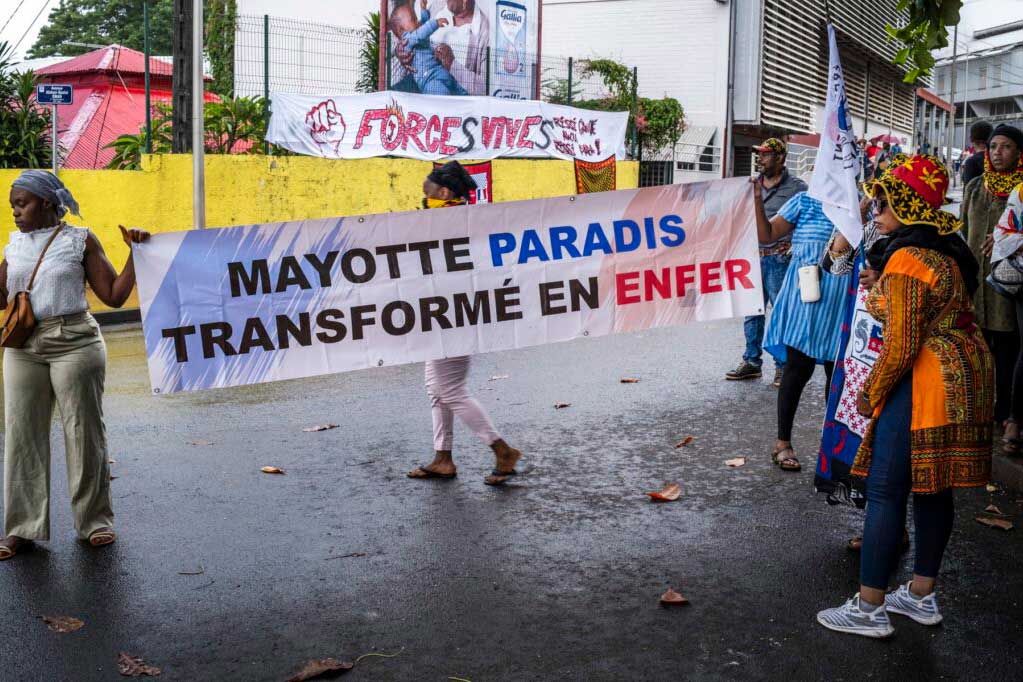
In April 2023, the French government launched a security operation in Mayotte known as “Wuambushu.” The word Wuambushu comes from Swahili and means “to clean” or “to clear.” The operation was officially presented as targeting the demolition of illegal housing, the deportation of undocumented migrants, and the fight against crime. Approximately 1,800 police officers and gendarmes were deployed.
The French authorities framed the operation strictly as an internal security measure, rejecting accusations of colonial practices. According to the government, its sole objectives were the removal of illegal constructions, the deportation of undocumented migrants, and the restoration of public order.
In contrast, the Union of the Comoros described Operation Wuambushu as a direct act of colonialism. Comorian authorities argue that France continues to exercise postcolonial domination over Mayotte, which they consider to be legally part of the Comorian Republic.
Local activists in Mayotte stated:
“French police treat us as if we were a colonized population. Even though we are French citizens, our rights are practically nonexistent.”
During the operation, hundreds of informal dwellings were demolished, and hundreds of people were arrested and deported, most of them originating from the Comoros Islands. However, the Comorian government refused to accept the deported individuals, further escalating diplomatic tensions.
Throughout the operation, riots, resistance to police forces, and widespread social unrest intensified. Human rights organizations raised serious concerns, emphasizing that the deportations posed significant human rights violations.
Although the French government continued to describe Wuambushu as a necessary security operation, local populations, Comorian authorities, and human rights advocates viewed it as a continuation of colonial-era policies. This interpretation is also supported by postcolonial theorists, who argue that Mayotte’s social and economic conditions, France’s political and legal dominance, and the use of repressive measures constitute clear examples of modern neocolonial relations.
From this perspective, Operation Wuambushu is seen by many as a manifestation of ongoing colonial practices in a contemporary form, revealing that France’s relationship with its former and current overseas territories remains deeply problematic. The operation is therefore legally and politically controversial: while its stated objectives may be lawful, its methods and consequences have generated grievances reminiscent of colonial rule.
Ultimately, Wuambushu has reignited broad debates about France’s postcolonial policies, its role in Africa, and has further deepened political tensions between Mayotte and the Comoros Islands.


The Dimitile Maroons Museum: A Memorial to Freedom in the Mountains
The Dimitile Maroons Museum (Musée du Marronnage de Dimitile), located on Réunion Island, is both a site of historical memory and a symbolic space of anti-colonial resistance. The museum is situated i...
Read moreThe 2017 General Strike: Guiana's Awakening Against Colonial Neglect
The “Pou Lagwiyann Dékolé” movement (“Let Guiana Take Off”) was a large-scale popular uprising that emerged in March–April 2017 in French Guiana, in response to deep-rooted social,...
Read moreJustin Catayée: The Martyr for Freedom of French Guiana
In French Guiana, one of the most prominent figures to oppose colonialism and social injustice, and who is regarded by the people as a national hero, is Justin Catayée. Born in 1916 in French Guiana,...
Read moreOperation Wuambushu: The Cruel "Cleansing" of Mayotte
In April 2023, the French government launched a security operation in Mayotte known as “Wuambushu.” The word Wuambushu comes from Swahili and means “to clean” or “to clea...
Read more