Justin Catayée: The Martyr for Freedom of French Guiana
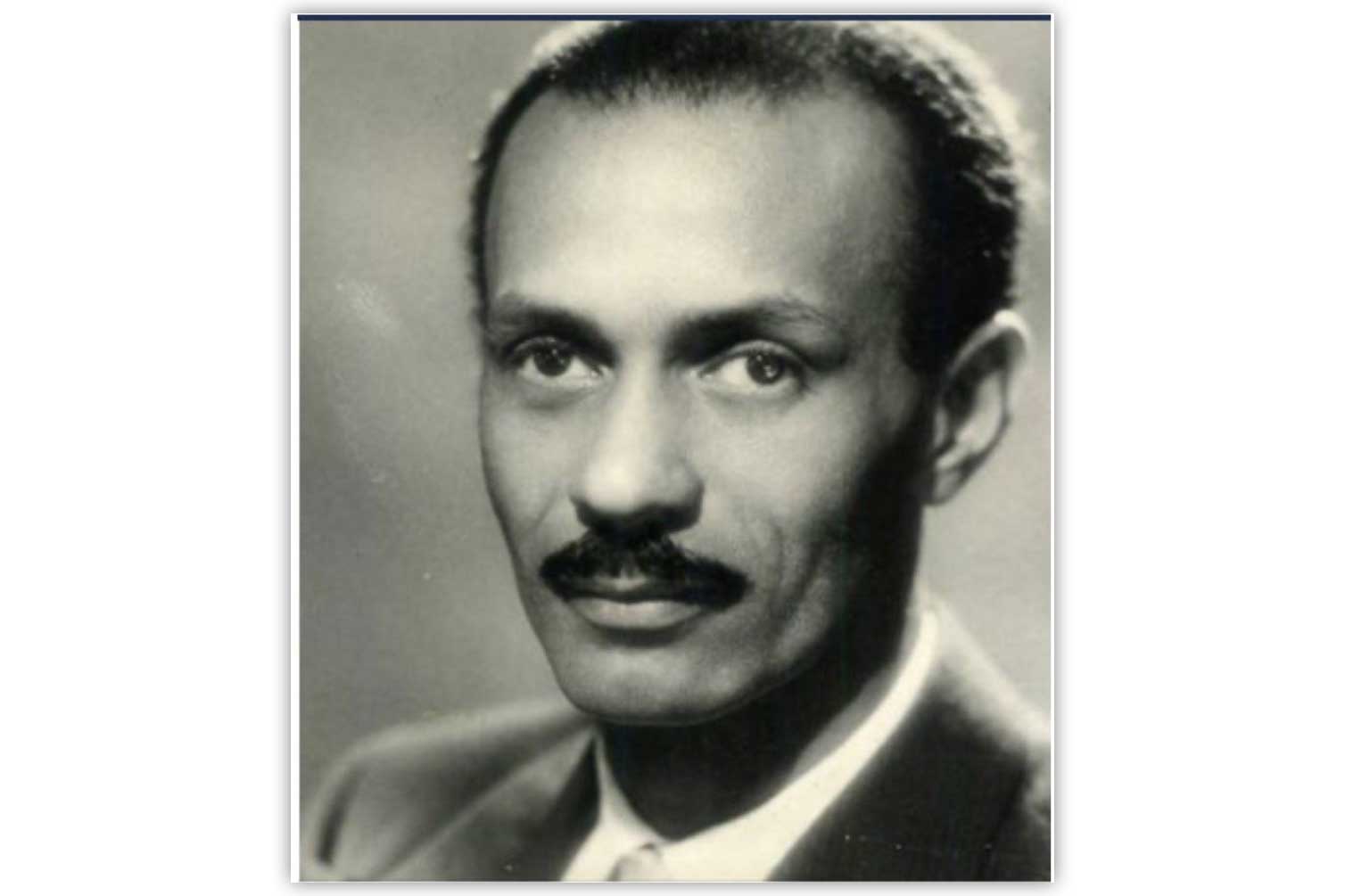
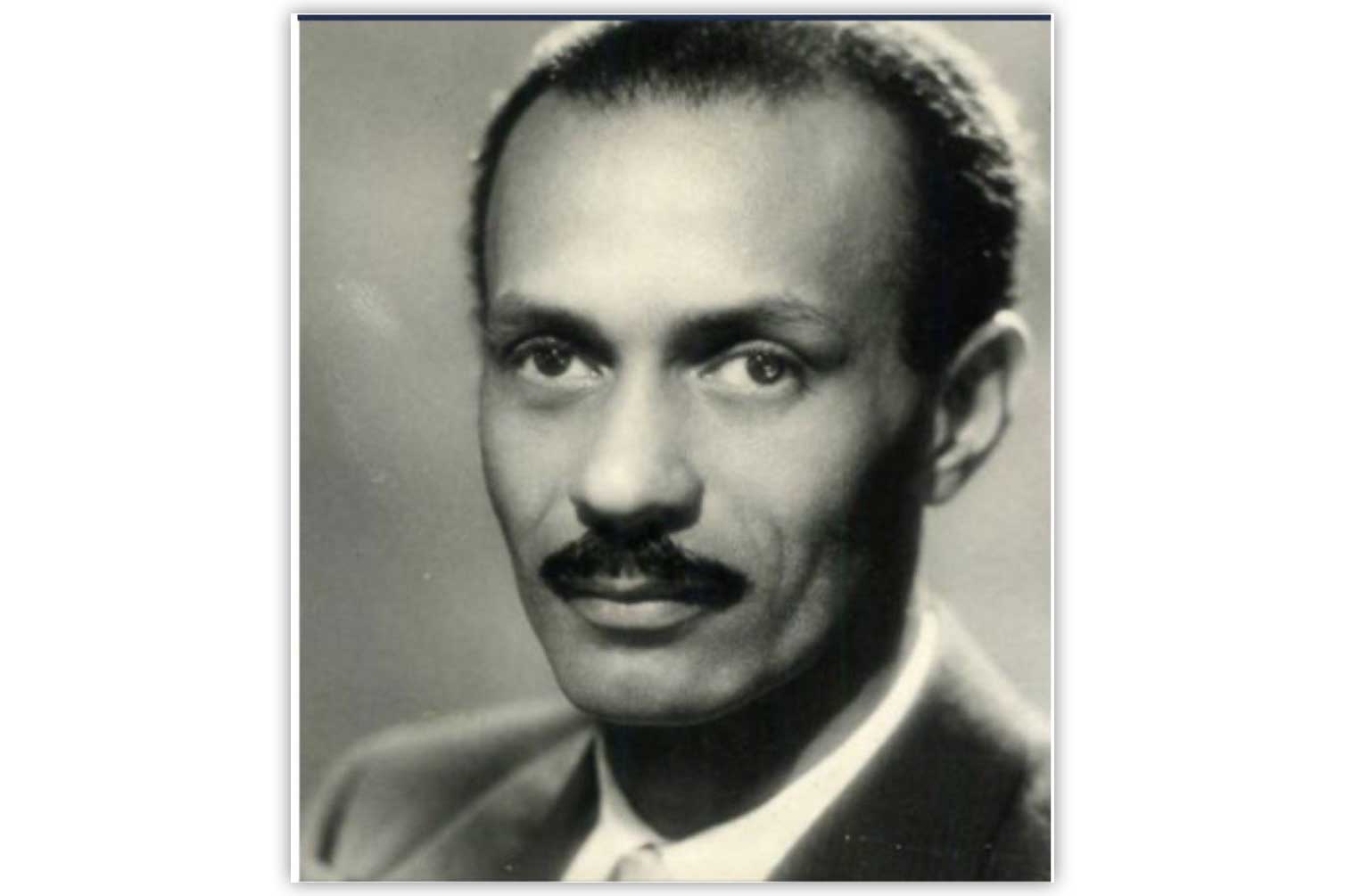
In French Guiana, one of the most prominent figures to oppose colonialism and social injustice, and who is regarded by the people as a national hero, is Justin Catayée. Born in 1916 in French Guiana, Justin Catayée is recognized as one of the region’s most important political figures and gained national hero status for his steadfast anti-colonial struggle.

Catayée was actively engaged both in the field of education and in political life, dedicating himself to the defense of local people’s rights and the pursuit of social justice. During the 1950s, he occupied a distinctive and influential position in Guianese political life. In 1956, Justin Catayée founded the Guianese People’s Movement (Mouvement Populaire Guyanais – MPG), a political party whose primary objectives were to challenge French colonial administration, strengthen local self-governance, and put an end to social inequality.

In his speeches, Justin Catayée openly criticized the indifference of the French government in Paris toward French Guiana, demanding the protection of local people’s rights and the promotion of genuine economic development. In 1958, he was elected as a deputy to the French National Assembly, where he continued to actively raise the issues facing French Guiana and to oppose colonial policies.

His political engagement and public speeches earned him broad popular support, transforming him into a symbol of anti-colonial resistance. Tragically, in 1962, Justin Catayée lost his life in a plane crash. His death was a profound loss for the people of French Guiana, and he has since been remembered as a “martyr for freedom.”

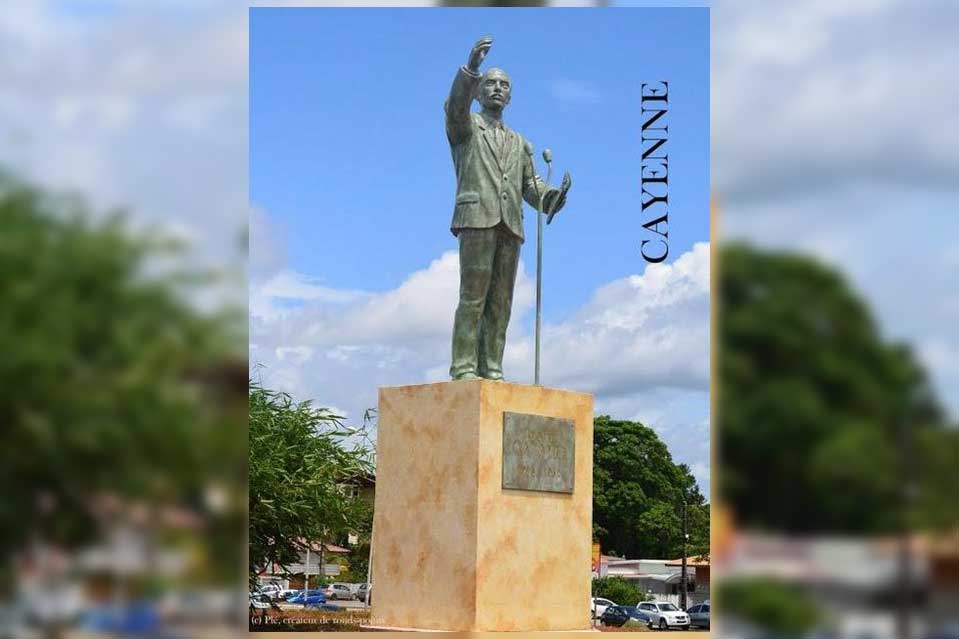
His legacy remains deeply respected throughout the region. Schools, streets, and public institutions in French Guiana bear his name. Justin Catayée has left an enduring mark on both the national and political history of French Guiana, standing as one of the leading figures of the anti-colonial struggle and as a lasting symbol of the fight for rights, freedom, and dignity.


The Pilou-Pilou: A Banned Dance of Memory and Resistance

Since 1853, when this island archipelago became a French colony, a systematic policy of assimilation was pursued against the culture of the indigenous Kanak people. As a result of...

Read more

Penal Colonies: The Forced Labor Foundations of New Caledonia

From the mid-nineteenth century onward, New Caledonia became for France not merely a remote island in the Pacific, but one of the central pillars of its imperial penal policy. Following the official a...

Read more

1877: The Abolition of a Reserve and the Theft of Kanak Land

The land exploitation affecting the villages of Pierra and Mérézi constitutes a clear example of France’s colonial policy of land confiscation and dispossession in New Caledonia. This policy involved...

Read more

Colonial Gold: The Montagne d’Or Project and Lasting Exploitation in French Guiana

Group (AMG) is one of the leading French companies operating in the gold-mining sector in French Guiana. Sources such as the French Geological Survey (BRGM) and the journal Mining provide statistical...

Read more

Tests, Lies, and Legacy: Radioactive Colonialism in French Polynesia

French Polynesia, a tropical archipelago located in the South Pacific, is known not only for its natural beauty and cultural richness, but also for having been the site of some of the darkest nuclear...

Read more

Colonial Contamination: Gold Mining and Environmental Degradation in French Guiana

In French Guiana, gold mining is particularly widespread. The mining process involves the use of heavy metals such as mercury, which leads to the contamination of water bodies and soil. As mercury is...

Read more

Kanak Ossuary: A Funerary Artifact of Architectural Reuse

The term “ossuaire” refers to places or containers used for the storage of human bones, particularly where skeletal remains are gathered and preserved. Ossuaries are typically found in ...

Read more

The Saponé Headdress: From Enthronement Ritual to Protected Heritage

The “Saponé” headdress is a traditional accessory made from woven straw and decorated with leather. It takes its name from the village of Sapone, where it is primarily produced. Sapone is located appr...

Read more

Bogolan: A Malian Textile Woven with Earth and Symbolism

“Bogolan” – African Textile Art (Mali)The term “Bogolan” literally means “made with earth” in the Bambara language. This centuries-old technique originated in Mali. Although it has also been adopted i...

Read more

Gwoka: The Seven Rhythms of Memory and Resistance

Gwoka music is a musical genre performed on percussion instruments by people of African descent living in Guadeloupe. Gwoka emerged during the period of slavery and is composed of ...

Read more

From Forbidden Fabrics to Forced Assimilation: Colonial Dress Code

French Guiana, as a region with a rich and diverse ethnic composition, has for centuries been home to a wide range of Indigenous and African-descended peoples who developed distinctive cultural expres...

Read more

Salouva and Batik: Dismantling a Heritage Through Clothing

The peoples living on this island have, for centuries, possessed distinct cultural traditions and customs, with traditional clothing forming an inseparable part of their identity. However, a...

Read more

From Slave Resistance to Creole Identity: Réunion's Cultural Tapestry

The national cultural heritage of Réunion Island encompasses a rich legacy shaped by the interweaving of African, Indian, Malagasy, and European cultures. Traditional decorative objects include basket...

Read more

The Dimitile Maroons Museum: A Memorial to Freedom in the Mountains

The Dimitile Maroons Museum (Musée du Marronnage de Dimitile), located on Réunion Island, is both a site of historical memory and a symbolic space of anti-colonial resistance. The museum is situated i...

Read more

The 2017 General Strike: Guiana's Awakening Against Colonial Neglect

The “Pou Lagwiyann Dékolé” movement (“Let Guiana Take Off”) was a large-scale popular uprising that emerged in March–April 2017 in French Guiana, in response to deep-rooted social,...

Read more