The Stolen Children of Réunion: BUMIDOM's Forced Assimilation
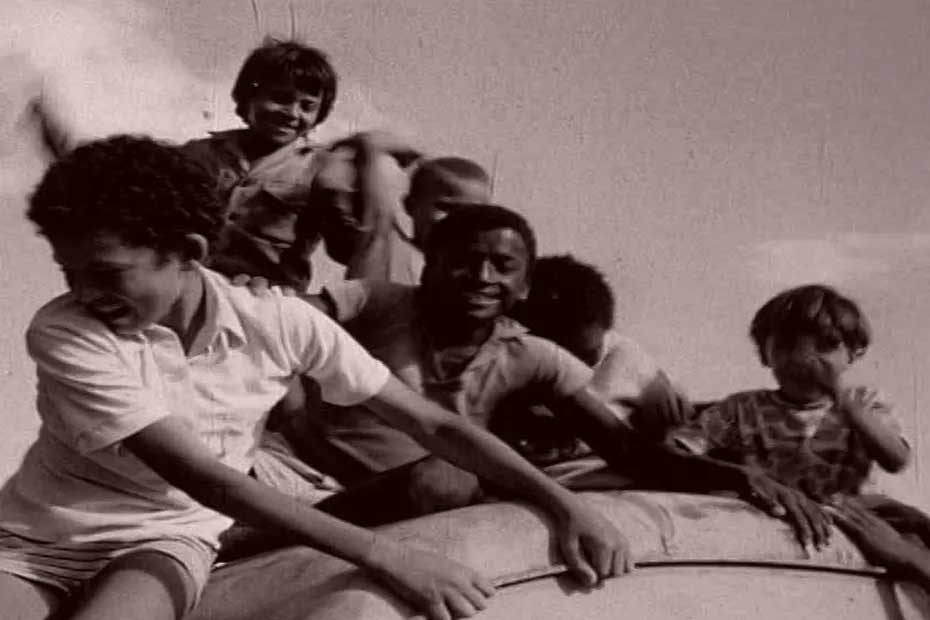
This was a state-level policy of forced migration carried out by France in Réunion between the 1960s and the 1980s.
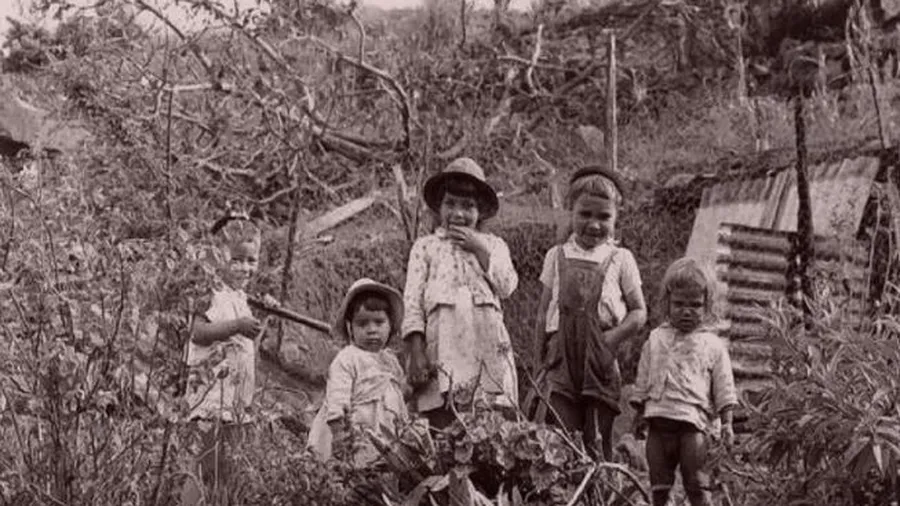
During the 1960s, Réunion Island, as an overseas department of the French Republic, faced severe social and economic difficulties. High unemployment, widespread poverty, an economy largely dependent on agriculture, and a lack of infrastructure placed the population under harsh living conditions. In this context, the French state implemented a highly controversial migration policy, presented as a means both to “alleviate” social pressures in Réunion and to address population decline in metropolitan France, particularly in rural areas.
Between 1962 and 1984, through the Bureau pour la migration des enfants de la Réunion (BUMIDOM) and with the involvement of local authorities, approximately 2,150 children and adolescents were transferred from Réunion to various regions of France, notably Creuse, Lozère, Tarn, Corrèze, and other departments.
Although some of these children were orphans or had been abandoned, the majority were taken from poor families whose parents were still alive. Families were either misinformed or children were removed by social services under promises of a “better education and future.”
This episode is understood not merely as a migration policy, but as a continuation of colonial thinking in the modern era. The forced relocation of Réunionese children to metropolitan France, the disruption of family structures, and their placement in an unfamiliar cultural environment are widely interpreted as a clear manifestation of assimilationist policy.
The Stolen Children of Réunion: BUMIDOM's Forced Assimilation
This was a state-level policy of forced migration carried out by France in Réunion between the 1960s and the 1980s.During the 1960s, Réunion Island, as an overseas department of the French Republic, f...
Read more